Southtown And King William: Everyday Living In The Arts District
February 5, 2026
February 5, 2026
Thinking about living where historic homes, studios, and the river all meet? If Southtown, Lone Star, or King William has caught your eye, you want a clear picture of everyday life before you commit. You deserve practical details on homes, walkability, arts, commutes, and what it takes to own or rent in a historic district. This guide gives you that on-the-ground view so you can decide if these central San Antonio neighborhoods fit your lifestyle. Let’s dive in.
Southtown spreads just south of downtown along corridors like South Alamo, South Flores, and South Presa, and along the southern reach of the River Walk. The King William Historic District sits to the southeast near a bend in the river and is one of the city’s oldest residential areas. “Lone Star” typically refers to the brewery-adjacent enclave and nearby warehouse and rail corridors inside Southtown that are seeing creative reuse and residential redevelopment.
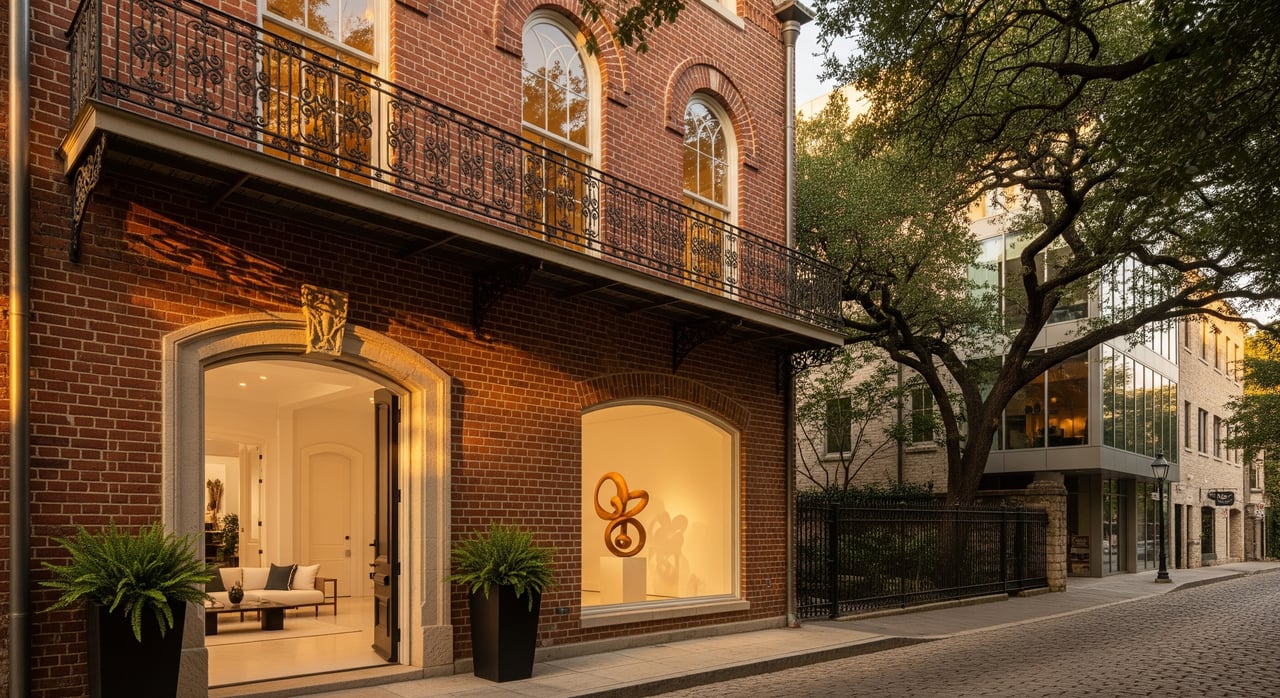
In King William, you find 19th-century Victorian and Italianate houses, historic mansions, and cottages along tree-lined streets. Southtown mixes older single-family homes, bungalows, shotgun houses, and low-rise historic apartments with converted warehouses and newer infill townhomes and condos. Around Lone Star and the former brewery, you see warehouse conversions, studio spaces, and newer residential projects.
Many homes here are historic. If you plan to update a façade, add on, or change materials, you will want to understand review processes and timelines before you swing a hammer. That early planning can save you money and stress later.
These are among the most walkable neighborhoods in San Antonio. For many blocks, you can walk to restaurants, galleries, small grocers, and riverfront paths. Bike lanes connect you to downtown in a short ride, and shared mobility options are commonly available in core zones.
VIA Metropolitan Transit serves the area with bus routes into downtown and beyond. If you drive, access to I-10 and I-35 is straightforward, but expect heavier traffic at peak hours and during downtown events. Street parking can be limited on historic streets, so some residents use permit zones, private driveways, or paid lots. Event nights can make parking especially tight.
Southtown’s dining scene leans independent and eclectic. You will find casual cafes, neighborhood bars, and bistro-style spots clustered near South Alamo, South Presa, and close to arts hubs. Evenings and weekends bring a lively mix of locals and visitors.
Shopping tends to be boutique-forward with art galleries and specialty food purveyors more common than large-format supermarkets. If you like to browse local makers, you will have plenty to explore. For weekly staples, you will likely pair neighborhood stops with a larger grocery trip nearby.
Southtown is known for its arts identity. Studios, galleries, and public art dot the area, with monthly art walks such as First Friday drawing foot traffic around core corridors and the Blue Star Arts Complex. Expect seasonal festivals, gallery openings, and markets that give you frequent ways to plug into the creative community.
The southern extension of the River Walk runs through King William and Southtown, adding shaded paths, pocket parks, and riverfront patios to your daily routine. It is a favorite for morning runs, evening strolls, and low-key weekend people-watching.
You can access small neighborhood parks and riverfront green spaces throughout the district. King William Park offers a classic historic setting, while pocket parks and River Walk access points provide quick outdoor escapes. Larger parks, like those north of downtown, are a short drive or a longer bike ride away if you want more open acreage.
If you are buying, your options span historic single-family homes, renovated cottages, converted lofts and warehouse apartments, and newer townhomes or small condo buildings. Historic single-family homes in King William tend to command higher prices due to rarity and preservation status. Some are fully restored, while others are modest cottages ready for a thoughtful renovation.
Converted lofts and newer condos range from simpler studios and one-bedrooms to higher-end units with premium finishes. Newer infill townhomes and smaller multi-unit buildings often target middle-to-upper price points and appeal if you want lower maintenance and modern systems.
If you are renting, you will see older apartments, loft conversions, and newer boutique or luxury buildings. Prices reflect downtown-adjacent demand and the lifestyle premium many residents seek. For current figures, check active listings and recent reports at the time you shop, since central neighborhoods can shift quickly.
The King William Historic District has local preservation controls that guide exterior changes, additions, and demolitions. Approvals typically run through the City of San Antonio’s historic preservation office and, in some cases, a review board or design commission. Plan for design review timelines, permitted materials, and potential limits on exterior work.
Buyers who want to renovate should consult the City of San Antonio Office of Historic Preservation early. Ask about incentives or tax relief programs that could offset preservation costs. Build both permitting time and specialist contractor availability into your project plan.
Property taxes in San Antonio are assessed by Bexar County and related entities. Exact rates vary by parcel and taxing districts, so verify for a specific address on the county sites before you buy. Historic homes often carry higher maintenance needs due to age and specialty materials.
Condo and townhome communities may have HOAs with monthly fees that cover common-area landscaping, building insurance, exterior maintenance, or security. Single-family historic homes usually do not have HOAs, which puts more upkeep on you. Budget accordingly for roofing, foundation, and systems upgrades as needed.
Older homes can require additional lender scrutiny, including specialized inspections or appraisals that account for unique features. Expect underwriters to ask for clarity on roofs, electrical systems, and structural components.
Insurance for historic or older properties can cost more, especially if roofs or systems are near end of life. Get quotes early in your option period so you can refine your total monthly cost and confirm insurability before you move forward.
Living here puts you close to downtown employers, courts, and cultural institutions, making for short bike or car commutes. For everyday errands, you will rely on a mix of local shops and nearby larger retailers.
Event schedules can affect traffic and parking. If your routine includes evening returns or weekend hosting, plan for visitor parking and time your commutes around downtown happenings when possible. For transit users, check your specific VIA route for frequency and span of service.
Public school assignments depend on your exact address and district boundary lines. Many addresses in these neighborhoods fall under San Antonio ISD, but always verify your property’s assigned schools through the district’s tools.
Private and charter options operate in and around central San Antonio. If proximity matters, confirm enrollment timelines, transportation availability, and daily commute times before you decide.
As in many urban cores, safety conditions can vary block by block. Nightlife nodes and tourist corridors may see more petty crime or vehicle break-ins, while residential streets can be quieter. The best approach is to consult recent public safety maps, visit at different times of day, and connect with neighborhood associations for current context on the blocks you are considering.
These neighborhoods work well if you want a walkable lifestyle near downtown with a strong arts presence and a mix of historic and modern housing. Buyers who love character homes, porches, and tree-lined streets gravitate to King William. Those who prefer loft living or newer townhomes often look toward Southtown corridors and Lone Star-area conversions.
If you are sensitive to nightlife noise, choose a quieter residential street away from the busiest corners. If you love lively evenings and events, being near the arts hubs can feel like a feature. Either way, a few test drives at night and on weekends will tell you a lot.
Ready to find the right street and the right home in Southtown, Lone Star, or King William? Let’s pair your lifestyle priorities with a property plan that fits the block, the budget, and the timeline. Reach out to MarkAnthony Ball for local guidance and a media-first strategy that makes your move a standout success.
MarkAnthony is committed to providing unmatched customer service and satisfaction to all his clients, regardless of whether they are first-time buyers, sellers, or experienced investors. He is here to make your real estate transaction as smooth and stress-free as possible. Luxury isn't a price point, but a carefully curated experience.