Buying A Historic Home In Dignowity Hill: What To Expect
March 24, 2026
March 24, 2026
Dreaming of a front porch with 100 years of stories, steps from downtown San Antonio? Buying in Dignowity Hill gives you that charm, plus a strong sense of place and community. It also comes with rules, reviews, and renovation realities that are different from newer neighborhoods. In this guide, you’ll learn what to expect with historic designation, incentives, inspections, financing, and the issues that can make or break your deal. Let’s dive in.
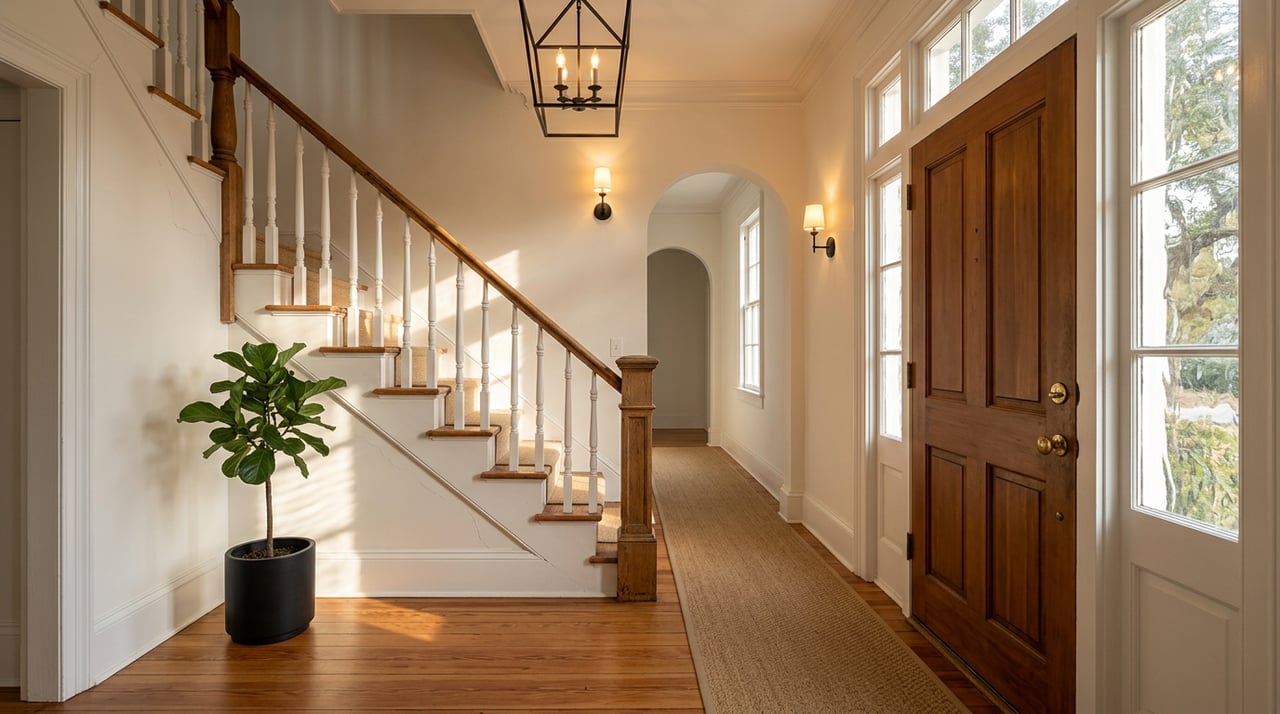
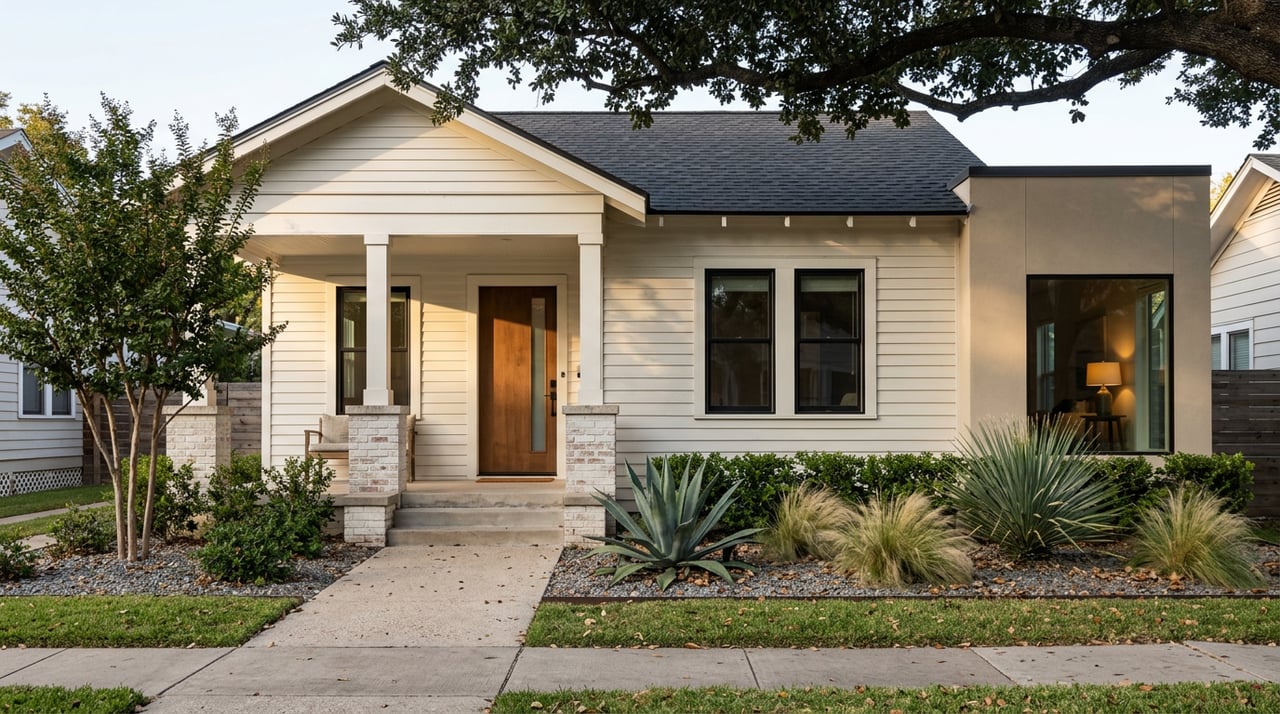
Dignowity Hill sits on San Antonio’s near east side and is known for Folk Victorian cottages and Craftsman bungalows. Much of the housing stock dates to the late 1800s and early 1900s, so you get classic porches, wood siding, and period details.
The neighborhood is a locally designated historic district, which means exterior changes go through city historic review. You also benefit from an active neighborhood presence and ongoing reinvestment. Local reporting notes that renewal has brought both rising property values and tax pressure, which is a factor to watch as you budget long term. You can read more about the district’s status on the City of San Antonio’s overview of the Dignowity Hill historic district and recent property value and tax trends in the area.
Buying in a local historic district adds a layer of stewardship. You protect the character of the property, and in return, the city offers guidance and potential incentives.
Most exterior work on a property in a local historic district requires a Certificate of Appropriateness, often called a COA. This includes visible changes like windows, siding, porches, additions, and new construction on the lot. The City’s Office of Historic Preservation explains the COA requirement and review steps. When in doubt, call OHP before you start planning.
COA applications are submitted in advance of Historic and Design Review Commission meetings, and OHP staff reviews many projects. Simple projects can move quickly, but you should budget extra time for staff coordination and public review. Starting work without a COA can lead to a stop work order and extra fees, so it pays to follow the process.
Demolition in a local historic district faces closer scrutiny than in non-historic areas. Expect more review and possible delays if you plan to remove a historic structure or a character-defining feature. It is wise to consult OHP early if demolition is even a remote possibility.
Historic designation does not just mean rules. It can also unlock tax incentives that help offset the cost of sensitive rehab.
San Antonio’s historic programs include owner-occupied exemptions in newly designated districts and a Substantial Rehabilitation program for qualifying projects. Depending on the scope and cost, you may be eligible for a 10-year city tax freeze or 5 years at zero city tax followed by 5 years at 50 percent of the post-rehab city property tax line. The City uses a 30 percent of the improvement homesite value threshold to determine if a project qualifies. Review current details and timelines on the City’s page for historic property incentives before you finalize your budget.
If you plan to use the property for income-producing purposes, you might look at state or federal historic tax credits. The federal program typically offers a 20 percent credit on certified rehabilitations of income-producing properties. Owner-occupied primary residences do not qualify. You can confirm program scope through the IRS overview of the federal Historic Tax Credit.
Every historic home is unique, but certain issues come up often in San Antonio’s older housing stock. A careful inspection plan is essential.
Many pre-mid-20th-century houses have outdated wiring or undersized service panels. Active knob-and-tube or cloth wiring can be a safety risk and a deal-breaker for some insurers and lenders. Some carriers decline to insure until repairs are complete. Learn how insurers often treat outdated wiring so you can plan upgrades if needed.
Homes built before 1978 commonly contain lead-based paint. Asbestos can show up in older insulation, floor tiles, or pipe wrap. Federal law requires sellers of pre-1978 homes to provide the EPA/HUD lead pamphlet and a lead disclosure. If you plan to renovate, use lead-safe practices and licensed abatement where required. Review the EPA’s guidance for buyers in the Protect Your Family from Lead in Your Home pamphlet.
San Antonio’s climate puts homes at risk for subterranean and other termites. A licensed wood-destroying insect inspection is standard and often required by lenders. The Texas A&M AgriLife Extension explains the termite risks and inspection basics in Texas.
Older homes in the area often sit on pier-and-beam foundations. You may notice sloping floors, sticking doors, or visible cracks. If you see red flags, a structural engineer’s evaluation is worth the time and money. Foundation work can be one of the costliest repairs, so get clarity before you commit.
Galvanized or cast-iron drains and older water supply lines are common. Older HVAC equipment may be near end-of-life or undersized. Replacing these systems can be required for safety, comfort, and insurance or lending.
Line up inspections in a clear order so you can make fast, confident decisions during your option period.
Pro tip: Ask the seller for any prior reports. A solid paper trail can save you time and money.
Historic charm sometimes needs modern financing and careful underwriting.
If the home needs work, consider a purchase-plus-renovation mortgage. The FHA 203(k) program rolls repairs and acquisition into one loan, with a “Standard” version for structural projects and a “Limited” option for smaller scopes. Review the basics in HUD’s FHA 203(k) consumer fact sheet. Conventional alternatives like Fannie Mae’s HomeStyle Renovation and Freddie Mac’s CHOICERenovation can also fund a broad range of projects. Each program requires detailed contractor bids and a draw process, so talk with a renovation-experienced lender early.
Insurers often scrutinize older systems, especially active knob-and-tube or cloth wiring, very old roofs, or significant termite or water damage. Some companies will not bind coverage until issues are addressed, or they may charge higher premiums or set upgrade deadlines. Because your lender will require proof of hazard insurance at closing, verify insurability early and plan for any required repairs.
Historic neighborhoods come with older lot layouts and long histories of work over time. Protect yourself with careful due diligence.
Use this shortlist during showings and in your option period.
You will get the best outcome by planning early and building a team. Connect with the City’s Office of Historic Preservation to confirm COA needs and timelines. Review the local incentives to understand how a well-planned rehab might reduce your city property tax line. Prioritize inspections that align with lender and insurer expectations so your closing stays on track.
If you are ready to explore Dignowity Hill, we can help you buy smart and tell your home’s story with best-in-class media when the time comes to sell. Reach out to MarkAnthony Ball for local guidance, veteran-savvy support, and a plan tailored to your goals in San Antonio’s historic core.




MarkAnthony is committed to providing unmatched customer service and satisfaction to all his clients, regardless of whether they are first-time buyers, sellers, or experienced investors. He is here to make your real estate transaction as smooth and stress-free as possible. Luxury isn't a price point, but a carefully curated experience.