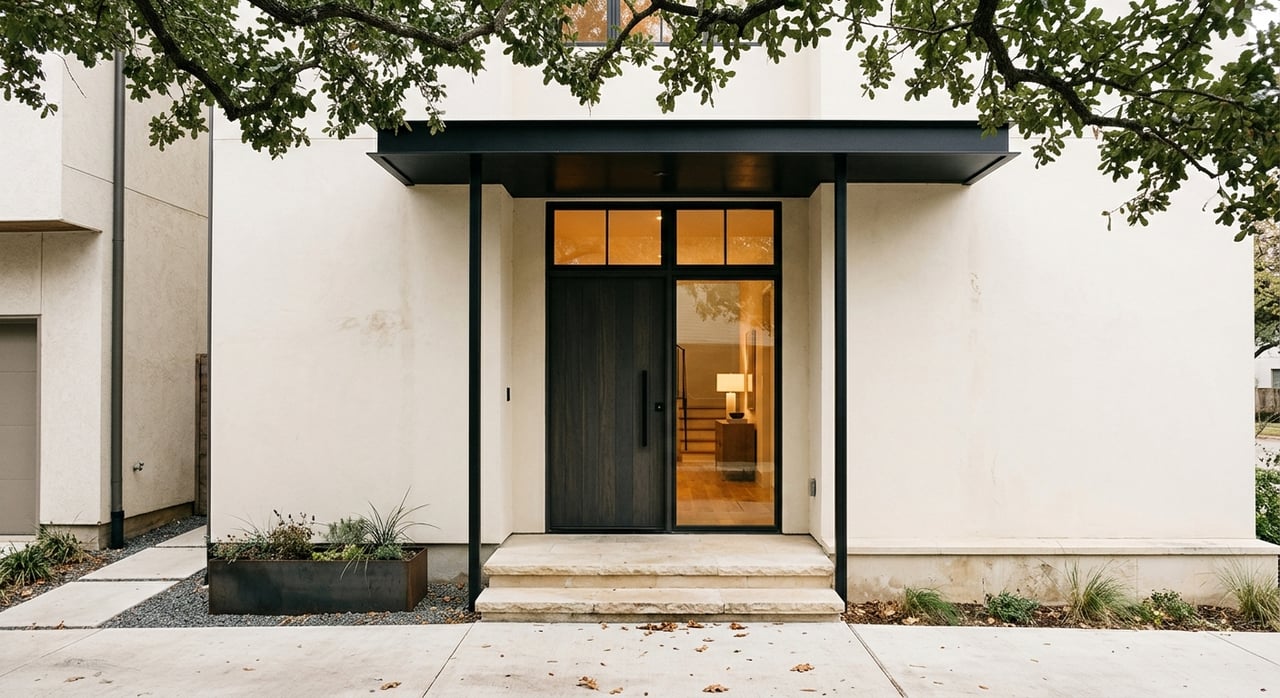
Downsizing To Alamo Heights Without Losing Your Lifestyle
May 7, 2026
May 7, 2026
You do not have to leave behind convenience, culture, and connection just because you want less house to manage. If you are thinking about downsizing to Alamo Heights, you are probably trying to simplify your day-to-day life without giving up the parts of San Antonio living that matter most to you. The good news is that this market can support that goal if you plan carefully and focus on total lifestyle, not just square footage. Let’s dive in.
Alamo Heights offers a close-in lifestyle that feels connected to the heart of San Antonio. The city reports that its center is about 4.5 miles north of downtown, and the municipality covers roughly 2.1 square miles. For many downsizers, that smaller footprint is part of the appeal because it can make daily life feel more efficient and more centered.
That matters when your goal is not just to buy a smaller home, but to keep the rhythm of life you enjoy. A move to Alamo Heights can mean less maintenance while staying near dining, cultural destinations, and established city services. In other words, you may be able to trade extra rooms and yard work for location and ease.
One of the biggest concerns with downsizing is whether life will feel smaller. In Alamo Heights, the stronger case is often the opposite. You may own less space, but still stay close to places that help fill your calendar and keep you connected.
The McNay Art Museum, located at 6000 N New Braunfels Ave. in 78209, sits on a 25-acre campus and offers free general admission on Thursday nights and the first Sunday of each month. The San Antonio Botanical Garden at 555 Funston Place in 78209 spans 39 acres, is just northeast of downtown, and offers free on-site parking. Those nearby destinations support a lifestyle that feels active and engaged, not isolated.
This is one of the most important points to understand before you start your search. Alamo Heights is a specific city, while 78209 is a broader zip code that includes a wider range of housing options and price points. If you search by zip code alone, you can miss the difference between these two markets.
Recent market snapshots show that the median sale price in Alamo Heights city was $1.1225 million in February 2026, while the broader 78209 median sale price was $425,000 in March 2026. That gap tells you something important: micro-location matters. If you want the Alamo Heights lifestyle, you need to look closely at where a property sits, not just the mailing address.
If your picture of downsizing only includes a small detached house, it is worth broadening the search. Alamo Heights has a real mix of lower-maintenance ownership options, including condos and townhomes. That gives you more flexibility if your top priority is reducing upkeep.
Current listing portals show 13 condos for sale in Alamo Heights with a median listing price of about $600,000 and 8 townhouses for sale with a median listing price of about $630,000. The market includes a range of choices, from simpler lock-and-leave properties to more elevated residences. That means downsizing here is less about settling and more about choosing the right fit.
For many buyers, a condo is the clearest downsizing move. You may have less exterior responsibility, less yard work, and a more streamlined day-to-day routine. That can be especially appealing if travel, convenience, or simplified upkeep is high on your list.
Still, low-maintenance does not mean no-maintenance. You will want to understand what the association handles, what you still handle inside the unit, and how that fits your monthly budget. A condo can absolutely support your lifestyle, but only if the details work for you.
A townhome can be a strong option if you want less maintenance but still prefer a little more separation or a more traditional home layout. Depending on the property, you may get features that feel familiar while still reducing some exterior chores. For downsizers who are not ready for a full condo setup, this can be a smart middle step.
As with condos, details matter. Parking, storage, HOA rules, and exterior responsibilities can vary widely from one community to another. That is why side-by-side comparison is more useful than assumptions.
When you downsize, every square foot needs to work harder for you. A home that looks perfect online may not fit your daily routine once you account for storage, parking, guests, or how you actually use the rooms. This is where priorities become more important than raw size.
Focus on the features that shape everyday comfort:
The right downsizing move should feel intentional, not restrictive. You want a home that edits out unnecessary upkeep while keeping the features you use and enjoy most.
One of the biggest surprises for downsizers is that a smaller home does not always mean a much smaller monthly payment. Your total monthly housing cost should include principal and interest, property taxes, mortgage insurance if applicable, homeowner’s insurance, any supplemental insurance, and HOA fees. You should also budget separately for maintenance, repairs, and utilities.
This is where some buyers get tripped up. A condo or townhome may reduce exterior work, but HOA dues can add a meaningful monthly cost. Those dues are usually paid directly to the association and can range from a few hundred dollars a month to more than $1,000.
Condos come with a shared-responsibility structure. The association usually carries master insurance for common areas, but you still need your own insurance for the unit itself. Lenders can also charge slightly more for loans used to buy a condo, so it helps to talk through financing early.
That is why the smartest downsizing plan starts with your target monthly payment, not your target square footage. Once you know what you want to spend each month, it becomes much easier to compare homes with clear eyes. That approach can help you protect your lifestyle after closing, not just during the home search.
In Texas, property taxes are local, and in Bexar County, exemptions are filed with the appraisal district. The general deadline for filing a property tax exemption application is before May 1. If you are moving into a new primary residence, this step deserves attention early.
Texas school districts must provide a $140,000 residence homestead exemption. Homeowners age 65 or older or disabled can receive an additional $60,000 school-district exemption. Bexar Appraisal District also notes that local taxing units can adopt additional exemptions in some cases.
Many downsizers expect tax savings to show up immediately in a predictable way, but the timing can be more nuanced. BCAD says the homestead cap limits the taxable value used for property taxes on a primary residence to no more than a 10 percent increase per year, plus the value of any new improvements. That cap begins on January 1 of the tax year after the first year you qualify for the homestead exemption.
That means the first year in your new home can look different from later years. If cash flow matters, and for most downsizers it does, this is a detail worth planning around before you buy.
If you are 65 or older or disabled, BCAD says the school tax ceiling can transfer to a new qualified homestead. Some city, county, and junior college ceilings may transfer too if the new home remains in the same taxing unit. That can make a meaningful difference in your planning.
BCAD also says that when moving from one home to another, you must remove the exemptions from the prior home and submit a new residence homestead application for the replacement home. This is one of those easy-to-miss tasks that can affect your tax records and your budget if it gets delayed.
Many downsizers are balancing two moves at once: selling the current home and buying the next one. In general, if you want to move, you normally try to sell your home first before buying another one. That can be the simpler path when you want to control risk and avoid carrying two properties at the same time.
But sometimes timing does not line up perfectly. If you need overlap, temporary bridge loans with terms of 12 months or less can be used to finance the purchase of a new dwelling while planning to sell the current home within 12 months. Whether that route makes sense depends on your finances, timing, and comfort level.
When you are comparing loan options, accuracy matters. Buyers should share property tax information and condo or HOA dues with lenders so Loan Estimates reflect the real monthly cost. Closing costs also typically run about 2 percent to 5 percent of the purchase price, so your move budget should include more than just down payment funds.
It also helps to keep an emergency cushion for moving expenses, light renovations, furnishings, and transition costs. Downsizing often means making smart changes to how you live, and that can come with setup costs even when the house itself is smaller.
If you want to move to Alamo Heights without losing your lifestyle, a clear process can lower stress and improve decision-making. The goal is to match your next home to the way you actually want to live, not just the way you live today.
Here is a simple roadmap:
A smart downsizing move should feel like an upgrade in ease, not a compromise in quality of life. In Alamo Heights, that outcome is possible when you stay focused on micro-location, monthly costs, and the kind of daily experience you want next.
If you are ready to make a move that feels simpler without feeling smaller, MarkAnthony Ball can help you build a clear plan for buying and selling with confidence in Alamo Heights and across greater San Antonio.

MarkAnthony is committed to providing unmatched customer service and satisfaction to all his clients, regardless of whether they are first-time buyers, sellers, or experienced investors. He is here to make your real estate transaction as smooth and stress-free as possible. Luxury isn't a price point, but a carefully curated experience.